


McTimoney Animal Association sponsors the Saddle Research Trust’s SRT2021 Conference
The McTimoney Animal Association sponsors the Saddle Research Trust’s SRT2021 The Saddle Research Trust’s 4th International Research Conference Welfare and Performance of the Ridden Horse: The Future The McTimoney Animal Association are delighted to announce their sponsorship of the 4th…

Whole industry could benefit from McTimoney Chiropractic, says International dressage rider, Tyler Bradshaw.
Hard work and dedication see dressage rider rise to international level in just 7 years! Who would have thought that someone who didn’t start competitive dressage riding until 7 years ago would be invited by British Dressage to ride for…

Free Webinar: Use of Chiropractic in the Veterinary Industry – Asymmetry of the Pelvis
Free Webinar: Use of Chiropractic in the Veterinary Industry – Asymmetry of the Pelvis – 23 Sept @ 7pm. Learn how McTimoney treatment focusses on achieving symmetry & thereby improving equine athletic performance. Does your horse move equally through both…

McTimoney treatments at the HorseWorld Trust
McTimoney Animal Chiropractor, Helen Jacks-Hewett has been a regular at the HorseWorld Trust for many years and is part of a team of external experts who work with them to try and keep the herd there comfortable, happy and healthy….
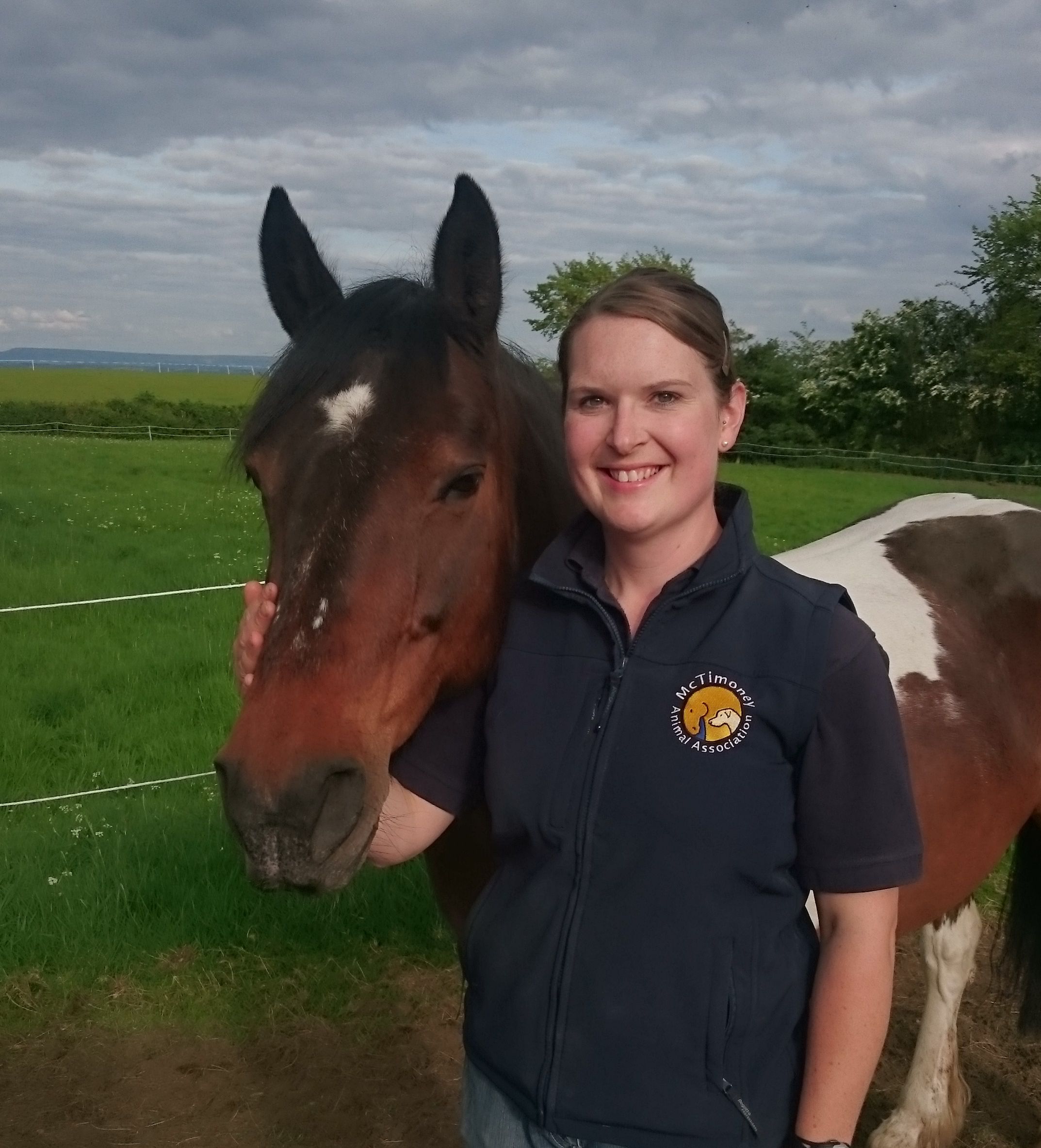
A Career in McTimoney Animal Chiropractic
A Career in McTimoney Animal Chiropractic Online Information Evening Thu, 24 June 2021 – 19:00 – 20:30 Interested in McTimoney Animal Chiropractic as a career? Want to be your own boss, working in a fulfilling career with animals? Want to…

Free Webinar – Use of Chiropractic in the Agility Dog: 10th June @7pm
The next free webinar in the McTimoney College of Chiropractic series focuses on the use of McTimoney animal treatment in the agility dog. Does your dog compete in agility or would you like to? Predisposition to injury can affect the…

